Choose Aluminium Roof Lanterns for Contemporary Design
Maximize Your Catch: Choosing the Right Angling Pole for You
Picking the ideal fishing rod is important for achieving a fruitful outing. Numerous variables determine this selection, including the water conditions and the wanted fishing approach. Recognizing the contrasts between freshwater and saltwater rods can substantially affect your results. Moreover, qualities including rod length and material are vital considerations. Any choice influences the overall fishing experience. What are the specific elements that can make or break your next catch?
Varieties of Fishing Rods: Freshwater versus Saltwater Fishing
When selecting a rod for fishing, comprehending the difference between fresh water and salt water options is essential. Freshwater rods are typically designed for use in lakes, rivers, and streams, where delicate lures and lines are common. These rods often emphasize sensitivity to enhance the angler's skill to sense strikes from smaller fish species. They are usually constructed from materials that fight corrosion, but they may not survive the tougher conditions of saltwater areas.
By contrast, saltwater rods are engineered to battle the stresses of ocean angling. These rods are quite strong, featuring heavy blanks and stronger guides to handle larger fish and rougher conditions. Saltwater rods also integrate materials that shield against corrosion from saltwater immersion, preserving longevity. Comprehending these distinctions can greatly affect an angler's success, as using the correct rod for the environment can improve both casting performance and overall angling experience.

Essential Features to Consider in a Fishing Rod
Selecting the proper fishing rod linked article requires taking into account several key features that can significantly influence performance and ease. One important feature is the rod’s material, with options including graphite, fiberglass, and composite, each providing unique benefits regarding responsiveness and durability. The length of the rod is also important; longer rods provide greater casting distance, while smaller rods boost control and accuracy.
A important aspect is the responsiveness of the rod, which dictates how much it flexes under load. Fast action rods are perfect for quick hook sets, while slow action rods offer more flexibility, making them fitting for lighter lures. Additionally, the power rating reveals the rod's ability to handle weight, guaranteeing compatibility with the intended catch. Finally, grip comfort and reel seat quality should not be overlooked, as these elements contribute to an enjoyable fishing experience.
Pairing Your Rod with Angling Techniques
Picking the appropriate fishing rod is necessary for effectively matching it to distinct angling methods. Different styles, such as launching or dragging, or fly-casting, demand equipment suited to their specific requirements. For example, a fast-action rod is ideal for accurate casting, enabling anglers to accurately position baits in intended spots. Conversely, a slow-action rod is more appropriate for methods containing slow retrieves, as it delivers improved sensitivity and management.
Additionally, the kind of bait or lure being utilized plays a pivotal role in rod choice. Heavier lures require a stiffer rod, while smaller baits work better with a more flexible design. Comprehending the connection between rod characteristics—such as power, action, and composition—and fishing techniques enables anglers to improve their results. By choosing a rod that matches their chosen method, fishermen can improve their capacity to successfully catch fish, leading to more productive time spent fishing.
Deciding on the Suitable Fishing Rod Length
When choosing the suitable fishing rod length, anglers must assess the advantages of both short and long rods. Short rods give enhanced control and maneuverability, making them well-suited for tight spaces and precise casts. In contrast, long rods offer increased casting distance and leverage, helping those targeting larger species or fishing in open waters.
Short Rod Strong Points
Although anglers often emphasize rod length for casting distance, short rods offer several unique advantages that can improve the angling adventure. These rods typically deliver enhanced agility, allowing for accurate throws in confined areas, such as dense vegetation or rocky shorelines. The shorter length also aids in superior handling when battling catches, reducing the chance of missing your fish. Furthermore, compact poles can be more convenient to manage for extended periods, minimizing fatigue during long fishing sessions. They are especially advantageous for techniques like jigging or when angling from watercraft, where space is limited. In summary, short rods can be a valuable choice for anglers seeking flexibility and better control in various fishing conditions.
Lengthy Rod Advantages
Many anglers observe that long poles bring distinct pros, mainly in casting distance and leverage. The increased length enables greater casting range, allowing fishermen to reach far-off spots where fish may be hidden. This is particularly advantageous in large bodies of water, where careful aiming can result in more bites. Additionally, long rods offer superior leverage when managing tough catches, making it easier to handle and land them. They also raise casting accuracy, facilitating better line management and presentation. Furthermore, long rods typically enhance hook-setting power, especially when quick reactions are necessary. Overall, the benefits of longer rods can significantly enhance an angler's success and performance on the water.
Material Matters: Graphite vs. Fiberglass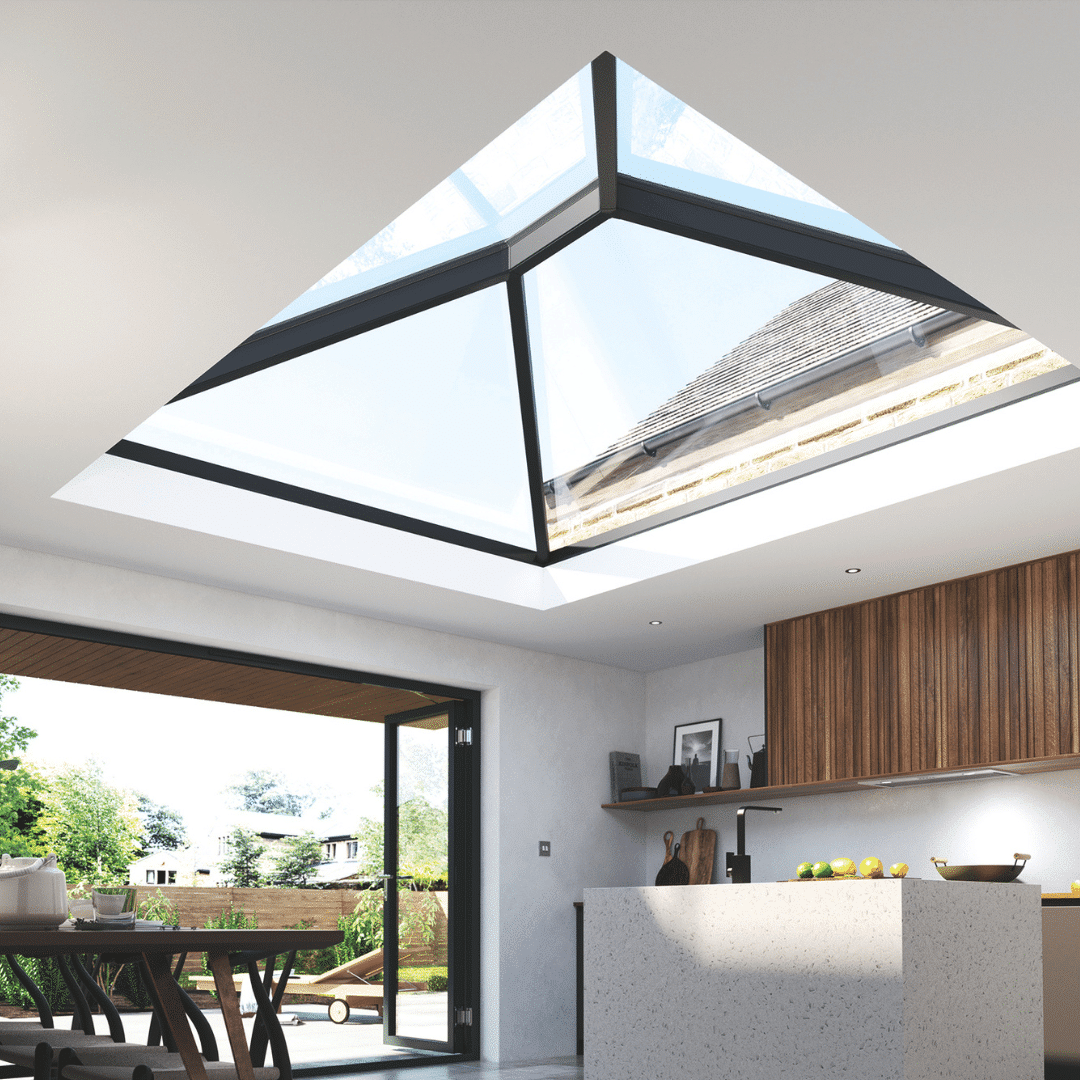
In what way does material selection affect a rod's performance? The material determines a rod's sensitivity, weight, and durability. Graphite rods are recognized for their light weight and responsiveness, allowing anglers to detect even the slightest bites. Their stiffness provides improved casting distance and accuracy, rendering them ideal for finesse techniques and pursuing species like trout or bass. However, carbon can be more fragile, prone to breaking under extreme stress.
In comparison, fiberglass rods offer a more forgiving bend, making them resilient and less likely to damage. They tend to absorb shock better, which can be advantageous when battling larger fish. While heavier than graphite, fiberglass rods are often liked for their durability and versatility, particularly in saltwater environments. Ultimately, the choice between graphite and fiberglass boils down to personal preference and intended fishing style, each providing distinct advantages suited to different conditions and techniques.
Guidelines for Inspecting and Looking after Your Fishing Equipment
Comprehending the substances that comprise a fishing rod offers the foundation for proper servicing and inspection. Regular scrutiny is vital; users should look for breaks, chips, or marks of wear that can alter performance. A simple flexibility test can help determine the rod's action and reaction; flexing the rod gently can reveal its strength and sensitivity.
Cleaning the rod after each use is essential, especially if it has come into contact with saltwater. A gentle fabric and mild soap can effectively remove debris without damaging the surface. Additionally, storing the rod in a safeguarding cover or case prevents unnecessary wear and tear.
Anglers should periodically check the guides and reel seat for tightness and smooth operation. By heeding these guidelines, users can promise their fishing rods continue in peak condition, augmenting their fishing experience and maintaining the lifespan of their equipment.
Frequently Commonly Posed Inquiries
Which Fishing Pole Is Best for New Anglers?
The best fishing equipment for beginners generally includes a moderate action, roughly 6 to 7 feet in length, and a robust composition such as fiberglass. This setup delivers versatility and ease of use for various fishing conditions.
How Much Should I Invest on a Fishing Rod?
Experts suggest spending between $50 to $150 on a fishing rod for beginners. This range balances quality and cost-effectiveness, ensuring a pleasant experience without unnecessary investment, allowing for adjustments as skills and preferences develop.
Can a Saltwater Rod Be Used in Freshwater?
Yes, a saltwater rod can be used in freshwater. However, its design may not improve performance for freshwater species, and the added corrosion resistance may be redundant, conceivably making it a heavier choice for recreational light fishing.
How do I recognize if my rod has become too heavy?
A rod is classified as too dense if the cast is awkward, takes excessive effort, or results in tiredness. Additionally, if it struggles to detect light takes, it may not match the targeted fishing technique effectively.
What Are the Indicators of a Broken Fishing Rod?
Indicators of a faulty fishing rod include visible cracks, splintering, or bends in the blank. Furthermore, guides might exhibit signs of use or misalignment, and the reel seat may be unsecured or damaged, impacting effectiveness and safety.